If These Objects Come Out From Your Mouth After Coughing, This Is What It Means
 Follow on Google News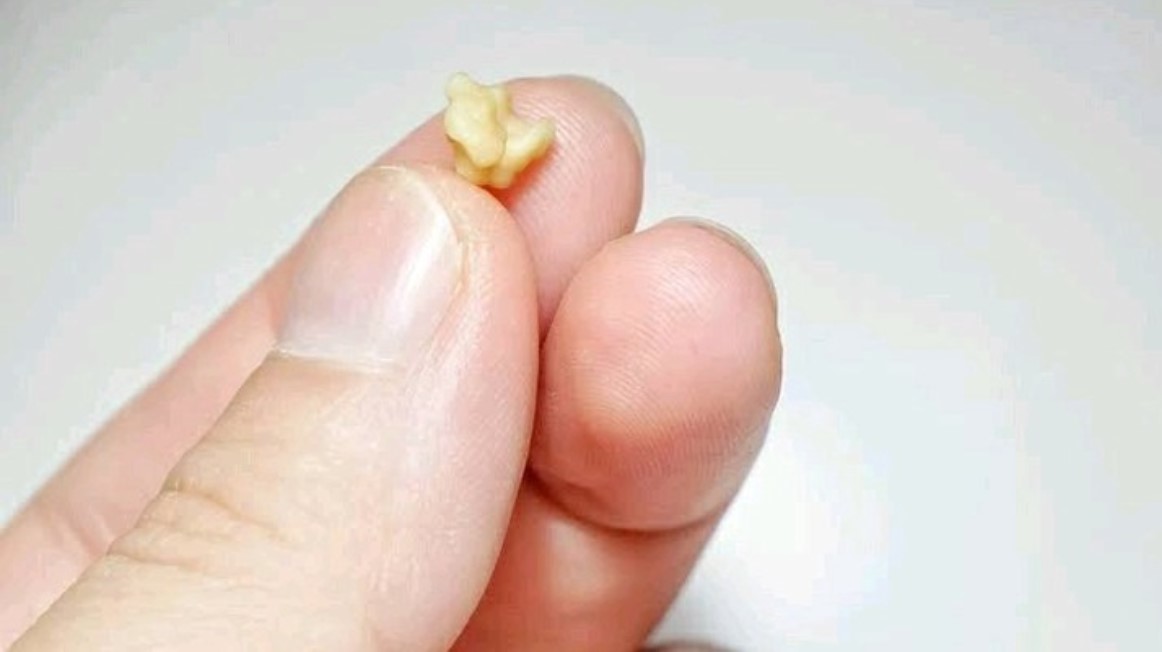
Many people have experienced coughing up small, hard, stone-like objects from their throat, often accompanied by an irritated or sore throat. These small formations are known as tonsil stones (medically called tonsilloliths). While they can look alarming, they are quite common and usually harmless, though they can cause discomfort and persistent bad breath.
Tonsil stones form when food particles, bacteria, mucus, and dead cells get trapped in the crevices (crypts) of the tonsils. Over time, this debris hardens and calcifies into small, soft or hard pebble-like lumps. They are typically white or yellowish in colour and can range in size from a grain of rice to a pea.
Common Symptoms of Tonsil Stones
According to medical sources like Cleveland Clinic, WebMD, and Healthline, the most noticeable signs include:
Persistent bad breath (halitosis) that doesn’t improve with brushing
Sore throat or the feeling of something stuck in the throat
Difficulty swallowing
Ear pain (referred pain)
Persistent cough
Visible white or yellow spots on the tonsils
Swollen tonsils
In many cases, small tonsil stones dislodge naturally when coughing or swallowing and may be coughed up. Larger stones, however, can remain lodged and cause ongoing irritation.
Are Tonsil Stones Dangerous?
Tonsil stones are not contagious. They form from biofilm — a natural buildup of bacteria and debris in the mouth — rather than from an infection passed between people. While they are generally not serious, large or frequent tonsil stones can contribute to gum disease, tooth decay, and chronic bad breath if left untreated.
How to Manage Tonsil Stones
Most small tonsil stones can be managed at home through:
Gentle gargling with warm salt water
Good oral hygiene (regular brushing and flossing)
Using a water flosser or cotton swab to gently dislodge them (with caution)
Staying well hydrated
For recurring or large tonsil stones that cause significant discomfort, it is advisable to see an ENT specialist. In rare persistent cases, surgical removal of the tonsils (tonsillectomy) may be recommended.
Bottom Line
Coughing up small, foul-smelling stones from your throat is usually a sign of tonsil stones. While they are not dangerous, they can affect your comfort and confidence due to bad breath and throat irritation. Maintaining excellent oral hygiene and seeking medical advice when symptoms persist is the best approach.







Comments
0 comments