Nutritional Diet For Pregnant Women
 Follow on Google News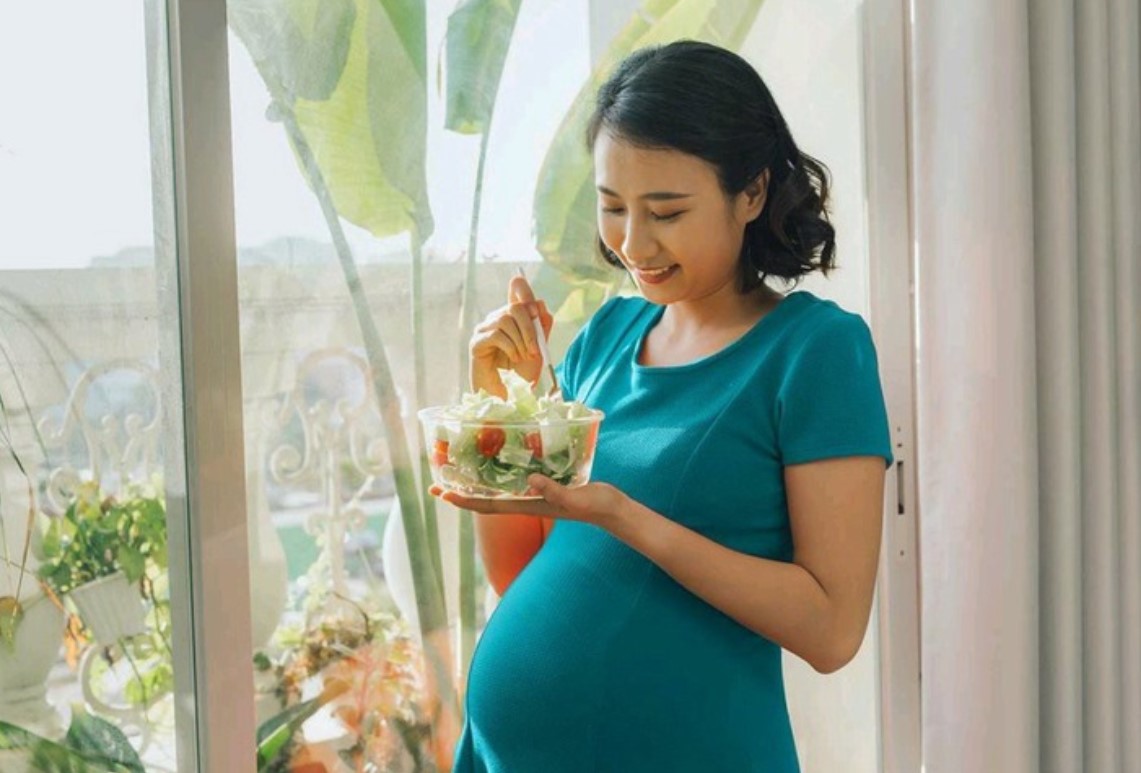
Pregnancy is widely regarded as a crucial stage in a woman’s life, marked by significant physical and hormonal changes. During this period, nutrition plays a vital role in ensuring the health and well-being of both the expectant mother and the developing baby. Proper dietary intake supports fetal growth, strengthens maternal health, and helps reduce the risk of complications throughout pregnancy.
Health professionals emphasize that pregnant women require higher levels of essential nutrients such as vitamins, minerals, protein, and healthy fats. These nutrients contribute to brain development, organ formation, and overall growth of the unborn child, while also helping the mother maintain energy, immunity, and emotional balance.
A range of natural and accessible foods is commonly recommended for pregnant women. Leafy green vegetables such as spinach and kale are rich in folic acid, which is essential in preventing neural tube defects and supporting early brain development. Eggs are also considered highly beneficial due to their protein and choline content, both of which are important for fetal brain development.
Sweet potatoes provide a valuable source of vitamin A, which supports the development of vital organs. Fruits such as bananas, oranges, and apples offer vitamins, fibre, and natural sugars that aid digestion and help maintain energy levels. Whole grains, including oats, brown rice, and millet, supply sustained energy along with important B vitamins that support metabolic function.
Legumes such as lentils and beans are frequently recommended for their high levels of protein, iron, and fibre. These nutrients are essential for blood production and overall development of both mother and baby. Dairy products like milk and yoghurt are important sources of calcium, which helps build strong bones and teeth in the developing fetus.
Nuts and seeds also play a significant role in pregnancy nutrition, providing healthy fats, magnesium, and other nutrients that support brain and nerve development in the baby.
At the same time, certain foods and substances are advised to be limited or avoided during pregnancy. Raw or undercooked meat and eggs may carry harmful bacteria that pose risks to fetal health. Unwashed fruits and vegetables can also introduce infections. Excessive caffeine intake may affect fetal development and sleep patterns, while alcohol and tobacco use are strongly discouraged due to their harmful effects on pregnancy outcomes.
In summary, maintaining a balanced and nutritious diet during pregnancy is essential for healthy fetal development and maternal well-being. Prioritizing natural foods while avoiding harmful substances can significantly contribute to a safe and healthy pregnancy journey.






Comments
0 comments