If Your Woman Sleeps With Pillow Between Her Legs, This Is What It Means
 Follow on Google News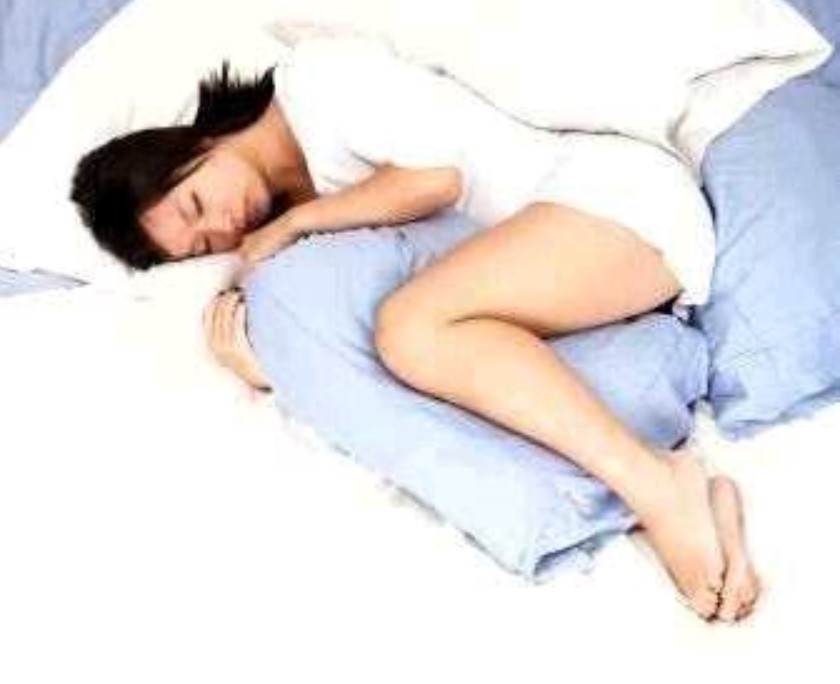
Many people understand the importance of maintaining good posture while sitting, standing, or exercising, but fewer realize that body alignment also matters during sleep. Since the body spends several hours resting each night, sleeping position can have a significant impact on spinal health, muscle recovery, and overall comfort.
The spine naturally contains three important curves that help support the body and distribute weight properly. These curves should remain as balanced as possible even while sleeping. When sleeping posture is poor, unnecessary strain can be placed on muscles, joints, and ligaments, which may contribute to discomfort or ongoing back pain.
For individuals who experience lower back or hip pain, sleep position can either help relieve symptoms or make them worse. One commonly recommended method for improving alignment is placing a pillow between the legs while sleeping, especially for those who rest on their side.
When a person lies on their side, the top leg often shifts forward or downward. This movement can pull the pelvis out of its natural position and create additional pressure on the lower back and hips. Over time, this misalignment may lead to muscle tension, stiffness, and discomfort.
Using a pillow between the knees helps keep the legs, hips, and spine in a more neutral position. By supporting the upper leg, the pillow reduces stress on the lower back and promotes better spinal alignment throughout the night. This can help ease pressure points, reduce muscle tightness, and improve overall sleeping comfort.
If a woman regularly sleeps with a pillow between her legs, it often indicates that she is seeking better comfort and body support while resting. The habit may help minimize back or hip strain, encourage proper posture during sleep, and contribute to a more restful night. Many health experts also suggest this sleeping technique for people dealing with back pain, sciatica, pregnancy-related discomfort, or general muscle tension.
As a result, sleeping with a pillow between the legs is generally associated with improved spinal alignment, reduced pain, and better sleep quality.







Comments
0 comments