Here Is How To Raise 6 Weeks Chicken And Gain A Very Big Weight
 Follow on Google News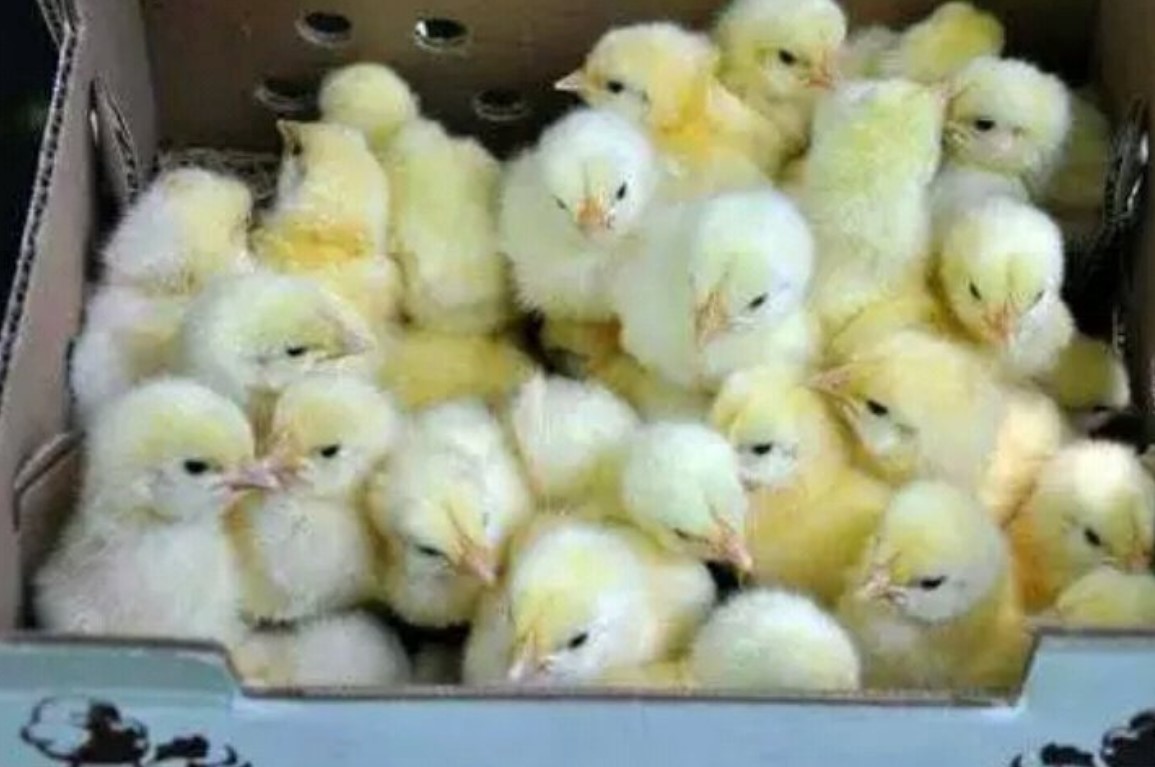
Poultry farming practices often focus on broiler chickens, which are specifically raised for meat production and are known for their fast growth rate. Reports on small-scale livestock management outline a structured approach for raising chicks from arrival to maturity within approximately six weeks, with emphasis on proper housing, hygiene, feeding, and environmental control.
Before the arrival of chicks, preparation of the poultry environment is described as an essential step. This includes ensuring that the housing area is thoroughly cleaned and disinfected several days in advance using suitable disinfectants. Farmers are also advised to clean and sanitize feeding and drinking equipment to reduce the risk of contamination. Proper bedding material is typically spread across the floor of the brooding area to maintain dryness and comfort for the chicks.
Temperature regulation and brooding conditions are highlighted as important factors during the early stage. Heat sources, such as lamps, are commonly used to maintain a warm environment suitable for day-old chicks. Ventilation and protection from harsh weather conditions are also considered necessary to support healthy development. In some cases, coverings such as curtains or window shields may be used to help regulate heat levels within the brooding space.
Stocking density and initial feed preparation are also addressed in poultry management guidelines. It is generally recommended that new poultry keepers begin with a manageable number of chicks to reduce risks and allow for proper monitoring. Feed supplies are usually prepared in advance, ensuring that sufficient quantities of starter feed are available for the early growth phase.
Upon arrival of the chicks, careful handling is emphasized to minimize stress. Transport conditions are described as important, with attention given to maintaining moderate temperatures and reducing excessive movement or shaking during transit. Once placed in the brooding area, chicks are typically provided with clean drinking water immediately upon arrival. In some cases, supplements such as glucose or sugar solutions may be added to the water during the initial stage to support early energy needs.
Feeding practices involve introducing high-quality starter broiler feed after a short period of hydration. Feeding trays are commonly used during the early days to make food easily accessible to the chicks. As growth progresses, feeding and management routines are adjusted to support weight gain and overall development over the six-week production cycle.
Proper record-keeping is also mentioned as part of effective poultry management. This includes tracking feed consumption, growth rates, and general farm activities to monitor progress and improve outcomes.





Comments
0 comments